

The Spiritual Landscape of Yoshino
Yoshino is where Japan’s spiritual relationship with nature can still be felt.
When people visit Yoshino, they often come for the cherry blossoms.
But Yoshino is more than a seasonal destination. Yoshino is known as one of Japan’s sacred mountain areas.
For over a thousand years, these mountains have been considered sacred.
Yoshino is one of the key centers of Shugendō, a spiritual tradition that blends elements of Buddhism, Shinto, and mountain worship. Practitioners would enter the mountains not to escape the world, but to train their bodies and minds through nature itself.
This perspective is important.
In many parts of the world, nature is something to be controlled or admired from a distance.
In Japan, and especially in places like Yoshino, nature is something to live with — and to learn from.
The mountains are not simply landscapes. They are spaces of transformation.
Walking through Yoshino, you may not immediately see obvious signs of this spiritual tradition. There are no grand monuments explaining its meaning.
Instead, it is something you begin to feel gradually.
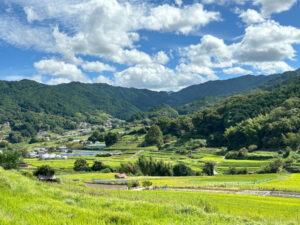
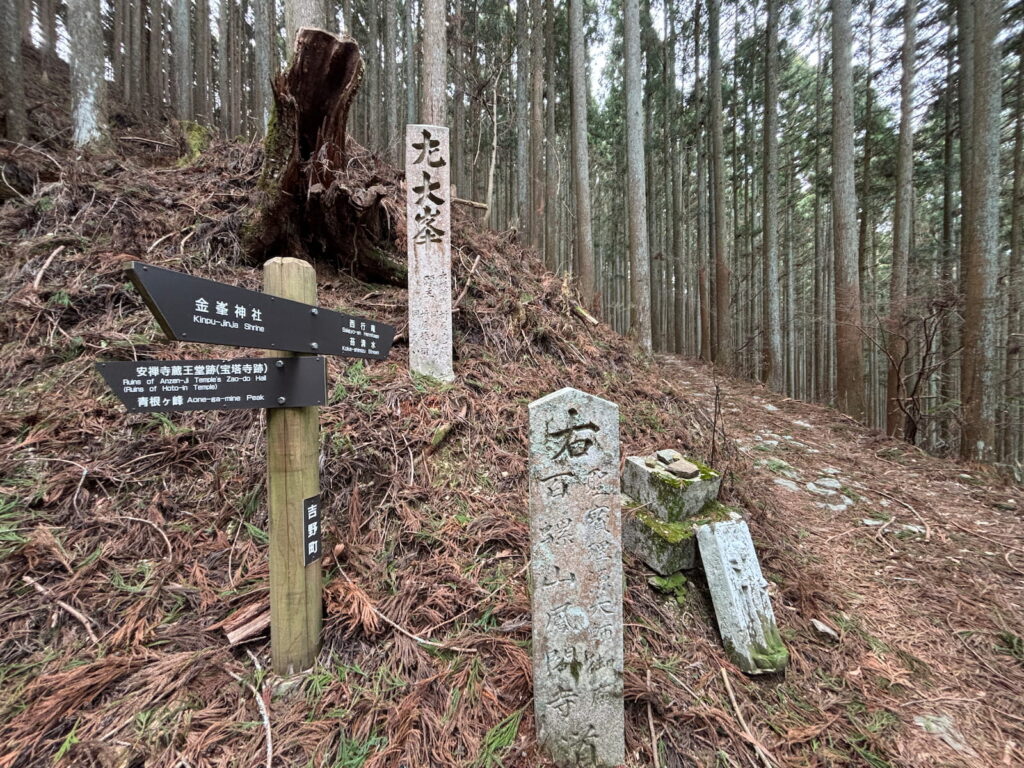
A quiet path through the forest.
The sound of wind moving through the trees.
The presence of shrines placed naturally within the landscape.
These elements are subtle, but they are not accidental.
They reflect a long-standing way of seeing the world — one where humans are not separate from nature, but part of it.
This is why Yoshino feels different.
It is not designed to impress.
It invites you to slow down, observe, and experience.
Understanding Yoshino is not about learning facts.
It is about sensing a relationship — between people, nature, and belief — that has continued for centuries.
This is the spiritual landscape of Japan.
If you are drawn to quiet landscapes and a deeper connection with nature, you may also find meaning in our concept of Tranquil Japan.
Explore private guided experiences in Yoshino and rural Nara
Experience Yoshino with us
Join a private self-guided journey that reveals the deeper spiritual meaning of these sacred mountains.
Related stories: