

Why Asuka Matters Before Kyoto
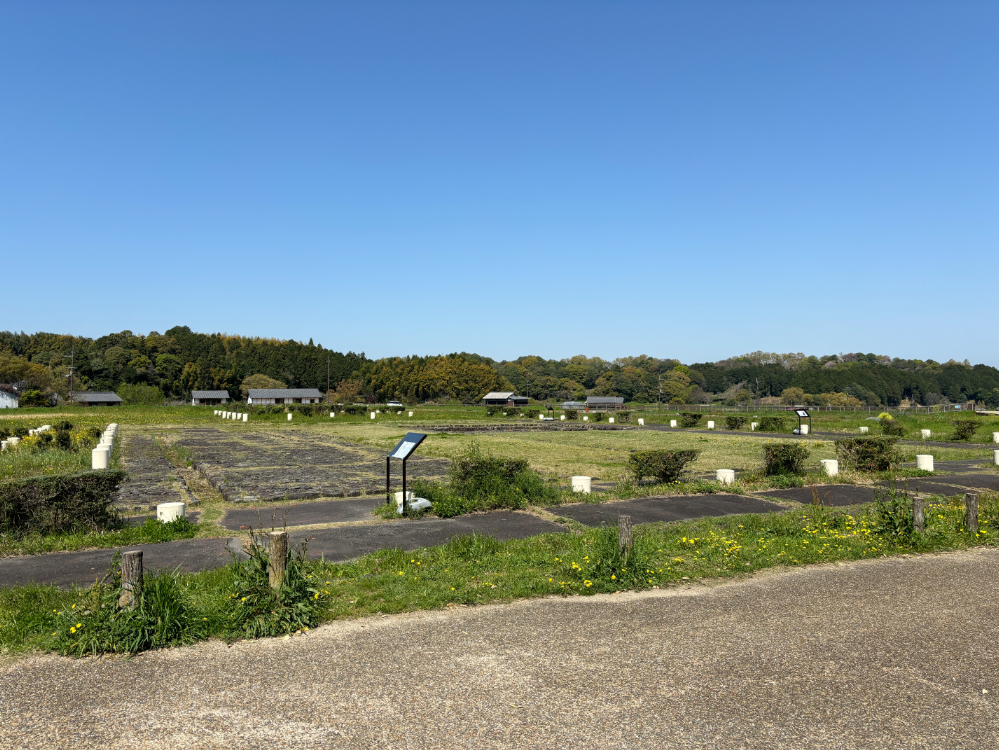
Asuka is the birthplace of Japan’s earliest state and cultural foundations.
When travelers think of Japan’s cultural heritage, Kyoto is often the first place that comes to mind.
But before Kyoto became the refined cultural capital of Japan, there was Asuka. Asuka is often considered the birthplace of ancient Japan.
Located in rural Nara, Asuka was the political and spiritual center of Japan in the 6th and 7th centuries. It was here that the foundations of the Japanese state were established — including the introduction of Buddhism, the formation of early government systems, and the shaping of a worldview that still influences Japan today.
Kyoto inherited and refined these cultural elements. But Asuka is where they began.
This difference is important.
In Kyoto, culture is often expressed through perfection — carefully maintained temples, designed gardens, and highly refined traditions.
In Asuka, culture is embedded in the landscape itself.
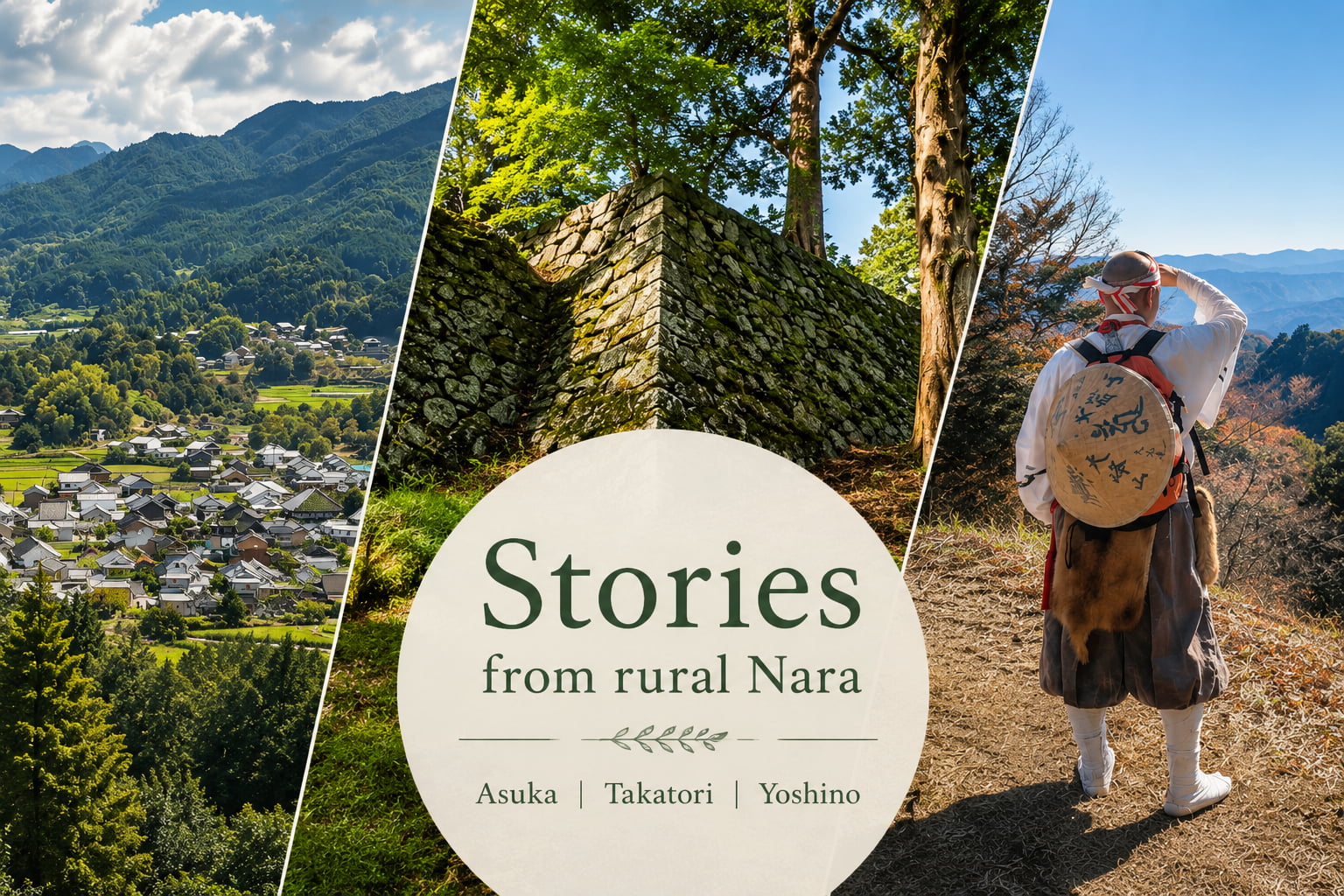
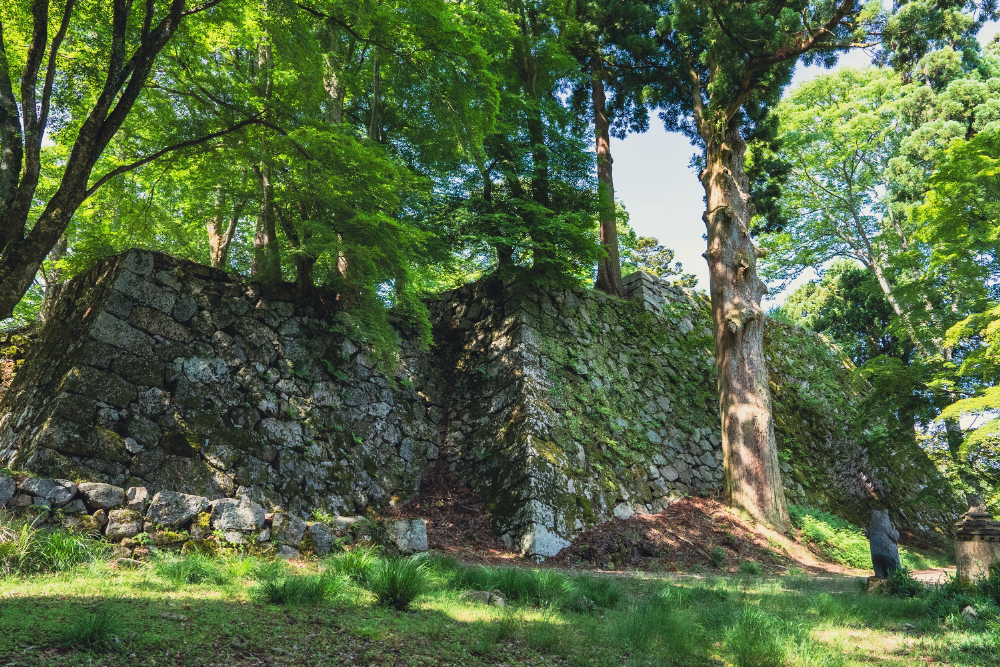
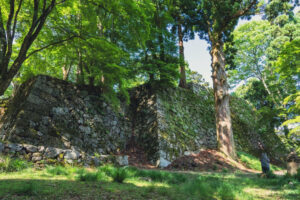
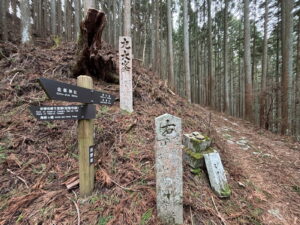
Ancient burial mounds, quiet rice fields, and scattered stone monuments remain where they have stood for over a thousand years. The terrain has not been dramatically reshaped or formalized. Instead, it continues to exist as a living environment where history and daily life overlap.
This is why Asuka feels different.
It is not a place of preservation alone, but of continuity.
Understanding Asuka allows you to see Japan not only as a finished cultural expression, but as a process — something that emerged from a deep relationship with nature, belief, and community.
If Kyoto represents the visible form of Japanese culture, Asuka represents its origin.
And by visiting Asuka, you begin to understand not just what Japan is, but how it became what it is today.
Experience Asuka with us
Explore private guided experiences that reveal the deeper meaning of this ancient landscape.
Our tours are designed to connect history, nature, and local life in a way that cannot be experienced alone.
⇒ View Experiences
If you are interested in a quieter and more meaningful way to experience Japan, you may also like our concept of Tranquil Japan.
⇒ View Tranquil Japan
Related stories: